Lore and timeline guide
Guild Wars 3 Story: Ancient Orr Lore Timeline
Guild Wars 3 moves the series far back into Ancient Orr, before the familiar Guild Wars and Guild Wars 2 timelines. This guide separates confirmed lore from franchise assumptions, explains the Vaelwardens and Seekers, and shows where Arah, the Six Gods, and rival guilds may fit once ArenaNet releases more evidence.
- SettingAncient Orr
- Timeline1000+ years before Guild Wars
- Player guildVaelwardens
- CompanionsSeekers
What is the Guild Wars 3 lore setting?
The confirmed Guild Wars 3 story and lore setting is Ancient Orr, more than a thousand years before the original Guild Wars. That makes the game a prequel-era story rather than a direct continuation of the post-Guild Wars 2 timeline. The announcement names the Vaelwardens, rival guilds, nature spirits, Seekers, Arah, and the Six Gods as the strongest lore anchors, but it does not yet publish a full story.
The safest reading is that Guild Wars 3 uses Orr before the disasters and historical layers that longtime players associate with the region. Searchers looking for a Guild Wars timeline, Guild Wars 3 lore, or an Ancient Orr explanation need a page that keeps those eras separate. Older Guild Wars events can provide context, but they should not be treated as confirmed Guild Wars 3 quests, villains, gods, professions, or playable races until ArenaNet.
This page therefore tracks the lore boundary. It explains what has been confirmed, what is only a reasonable franchise connection, and what should remain a question for beta or future official articles. That approach keeps the page useful for new players while avoiding fake lore summaries, invented maps, and overconfident timeline charts.
Guild Wars 3 timeline: what belongs where
A careful timeline page should explain the relationship between Ancient Orr and the existing franchise without turning later lore into Guild Wars 3 spoilers. Use this table as the current version-controlled reading.
| Era or subject | What is confirmed | How this wiki should handle it |
|---|---|---|
| Ancient Orr | Guild Wars 3 is set in Orr more than a thousand years before the original Guild Wars. | Treat this as the primary setting. Build pages around what Ancient Orr looks like, how people live outside city walls, and which official scenes support each claim. |
| Vaelwardens | Players are connected to the Vaelwardens, a guild tied to people beyond town and city walls. | Use Vaelwardens as a core lore page candidate once more faction detail exists. Do not invent ranks, leaders, symbols, or quest chains. |
| Seekers | Seekers are shown as magical companions and mounts connected to traversal. | Cover Seekers as lore-and-gameplay bridges: companion identity, movement role, and open questions about origin or customization. |
| Arah and the Six Gods | The official announcement points to Orr's deep historical and religious context. | Explain why Arah and the Six Gods matter to Orr, but keep specific Guild Wars 3 plot claims marked unconfirmed. |
| Original Guild Wars and Guild Wars 2 | They provide later franchise context, not a complete script for Guild Wars 3. | Use prior games for background comparisons only. Avoid implying that later events, factions, or maps are playable in the same form. |
Why Ancient Orr changes the Guild Wars lore question
Orr is not just another map label. In the broader Guild Wars timeline, Orr carries heavy religious, political, and magical weight. Setting Guild Wars 3 in Ancient Orr lets ArenaNet show the land before the later ruins, catastrophes, and familiar historical outcomes. That is why the phrase 'Ancient Orr' deserves its own guide instead of being buried inside a generic release-date FAQ.
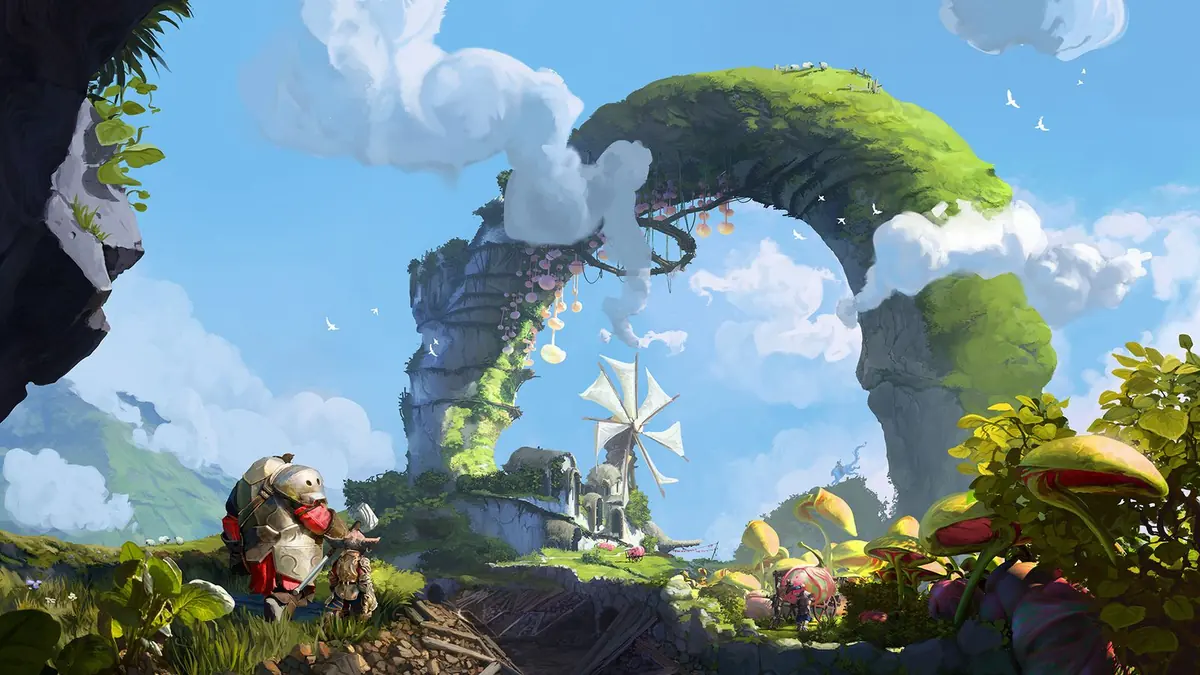
The announcement art also matters because it frames Orr as a lived-in frontier: farms, natural arches, settlement edges, open landscapes, and Vaelwarden activity. Those visuals support discussion of tone and environment. They do not prove exact zone names, dungeon names, class starts, or city layouts. A good lore page uses the image to ask better questions, not to fabricate a complete atlas.
For players coming from Guild Wars 2, the biggest adjustment is chronology. The page should explain that Guild Wars 3 is earlier than the original Guild Wars, then invite readers to follow confirmed terms as they appear. That is more useful than a speculative family tree of every future character, because the actual story may be designed to stand on its own for new players.
Region first
The confirmed setting gives this page a clean boundary: Ancient Orr and the story questions that follow from that era.
History carefully
Arah, the Six Gods, and older franchise lore are useful context, but the page labels them as context unless Guild Wars 3 confirms a direct role.
Gameplay links
Seekers, gliding, riding, and wall-running connect lore to traversal, so the lore page can point readers toward movement and beta guides later.
Confirmed lore terms and faction signals
These terms are strong enough to track now, but each needs careful wording. The goal is to build a reliable wiki vocabulary before beta data arrives.
| Term | Current reading | Status |
|---|---|---|
| Vaelwardens | The player-facing guild named in early Guild Wars 3 material, connected to people outside town and city walls. | Confirmed term |
| Seekers | Magical companions and mounts that appear tied to movement, identity, and the frontier tone of the reveal. | Confirmed term |
| Rival guilds | A broad conflict signal that suggests other organizations matter, but no full roster has been published. | Partial |
| Nature spirits | Lore context tied to the people and land of Orr; exact rules, names, and worship systems remain unknown. | Partial |
| Arah | A key Orr lore reference with long-term franchise importance, but Guild Wars 3-specific access and story role are not public. | Context |
| Six Gods | Important to Orr history and Guild Wars lore; their exact Guild Wars 3 narrative function should stay open until confirmed. | Context |
How lore connects to gameplay without overclaiming
Guild Wars 3 lore is not separate from gameplay. The reveal links Ancient Orr to exploration, open-world movement, action combat, Seekers, and build-making. That means a future wiki should connect story pages to systems pages: Seeker lore can link to a movement guide, Vaelwarden identity can link to beta character setup, and Orr geography can eventually link to maps once official zones are known.
The key is sequencing. A lore page can say that traversal is central to how the world is presented, because gliding, riding, wall-running, and momentum are confirmed reveal topics. It should not say which races unlock which movement skill, which zones contain which events, or which faction gives which mount unless later sources verify those details.
For that reason, this article uses the official trailer as context rather than proof of every mechanic. Video is helpful here because the search intent is visual and lore-adjacent: readers want to see the tone of Ancient Orr, the companion fantasy, and the action direction while still getting the confirmed facts in crawlable text.
Official announcement trailer embedded as lore and setting context. It supports the Ancient Orr tone but does not replace source-aware text.
Evidence rules for future Guild Wars 3 lore pages
Early lore pages are only useful if readers can tell what is known, what is inferred, and what is still speculation. These rules should guide future wiki expansion.
Source every named claim
If a page names a guild, spirit, city, god, map, quest, boss, or character, it should say whether that name came from the official announcement, Steam copy, a trailer, beta notes, or later ArenaNet news.
Separate franchise context from Guild Wars 3 fact
Guild Wars and Guild Wars 2 lore can explain why Orr, Arah, and the Six Gods matter. It cannot automatically confirm how those subjects appear in Guild Wars 3.
Keep timeline language visible
The phrase more than a thousand years before the original Guild Wars should appear near the top of lore pages so new readers do not confuse this era with later Tyria.
Version beta discoveries
When beta begins, lore pages should record the build date and source for any dialogue, quest, zone, faction, or cinematic detail because early content can change.
Official and authoritative sources to check first
Guild Wars 3 lore will change as ArenaNet publishes more material. These sources are safer than AI summaries, reposted timeline charts, or unsourced wiki mirrors.
- Guild Wars 3 official announcement - Primary source for the reveal, Ancient Orr setting, Vaelwardens, Seekers, beta language, and official framing.
- Guild Wars 3 official website - Main destination for future official pages, newsletter updates, platform links, and media.
- Official Steam page - Useful for public store wording, tags, availability language, and future feature text changes.
FAQ