Guild Wars 3 game engine guide
Guild Wars 3 Game Engine: Unreal Engine 5 Confirmed
ArenaNet's official careers material confirms that Guild Wars 3 is being built in Unreal Engine 5. That settles the engine question, but it does not confirm a specific UE5 release, Nanite or Lumen settings, ray tracing, target frame rates, console modes, or final PC requirements.
- Confirmed engineUnreal Engine 5
- Official sourceArenaNet careers
- Exact UE5 versionNot published
- Performance targetsNot published
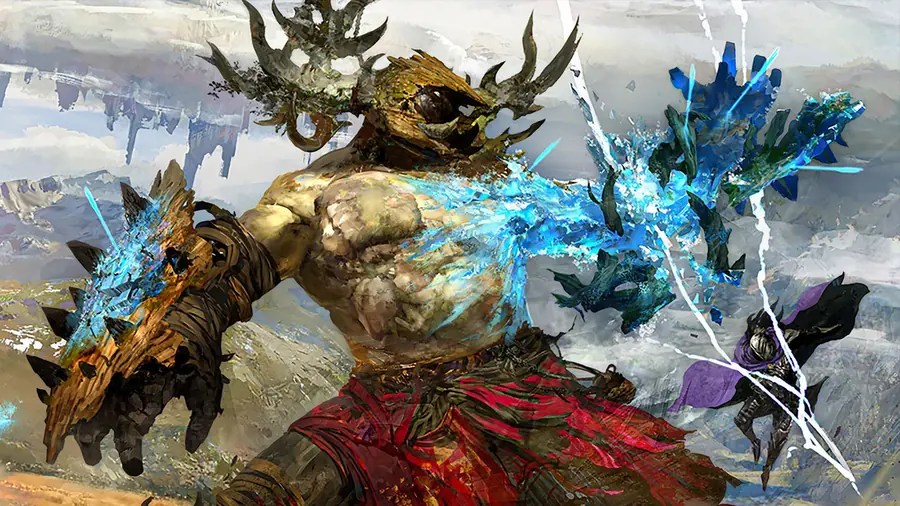
What game engine does Guild Wars 3 use?
Guild Wars 3 uses Unreal Engine 5. The strongest public evidence is not a rumor thread or an inference from graphics. ArenaNet's own careers page describes Guild Wars 3 development work in Unreal Engine 5, making the engine choice an official, first-party fact.
The confirmed engine does not reveal the complete rendering stack. Unreal Engine 5 is a platform with many versions, systems, and optional features. ArenaNet has not publicly identified the exact branch, whether Nanite or Lumen is used in every scene, whether hardware ray tracing is required, or which scalability settings will ship.
This page therefore treats Unreal Engine 5 as confirmed while keeping visual features, optimization targets, minimum hardware, console performance modes, and mod support in the unconfirmed column until ArenaNet publishes technical documentation or representative performance footage.
Guild Wars 3 engine evidence: confirmed versus assumed
Search results often compress several different claims into the sentence 'GW3 uses UE5.' The table separates the verified engine choice from technical details that still need direct evidence.
| Claim | Best available evidence | Status |
|---|---|---|
| Guild Wars 3 uses Unreal Engine 5 | ArenaNet careers material directly associates Guild Wars 3 development roles with Unreal Engine 5. | Confirmed |
| The game uses the newest UE5 release | No public build number or engine minor version is listed by ArenaNet. | Unconfirmed |
| Nanite and Lumen are enabled everywhere | These are well-known UE5 systems, but ArenaNet has not published a feature-by-feature rendering breakdown. | Unconfirmed |
| Ray tracing is required | No official minimum GPU, renderer requirement, or graphics menu has been published. | Unconfirmed |
| Guild Wars 2 assets are simply ported | The shared franchise does not prove a direct content or technology migration path. | Unsupported |
What the Unreal Engine 5 confirmation actually tells us
The engine confirmation matters because it defines the core toolset ArenaNet is hiring around. Unreal Engine 5 supports large-world workflows, modern lighting and geometry systems, cross-platform development, profiling, animation tools, and a broad production ecosystem. Those capabilities can help a large online RPG, but availability inside the engine is not the same as a promise that every feature will appear in the final game.
For players, the safest conclusion is that Guild Wars 3 is not being presented as another expansion running unchanged on the Guild Wars 2 technology stack. It is a new project with a modern engine foundation. The final art direction, simulation scale, networking architecture, loading behavior, and hardware cost still depend on ArenaNet's implementation choices.
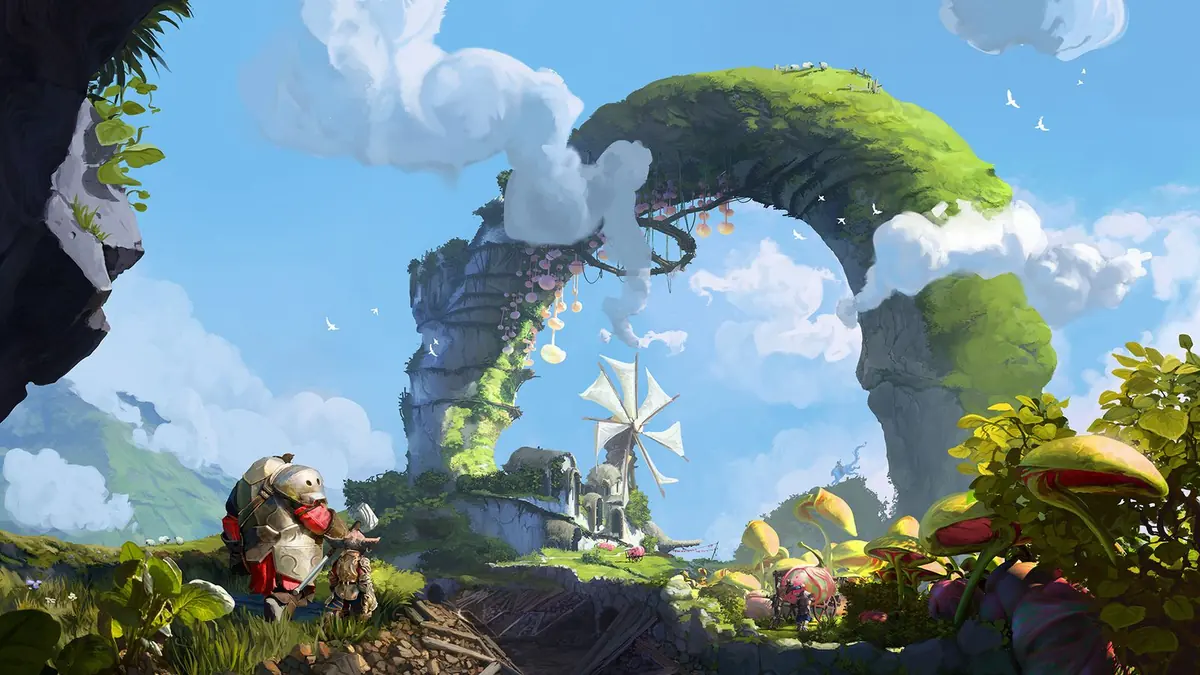
A modern production foundation
UE5 gives ArenaNet current editor, world-building, animation, rendering, and platform tools instead of forcing every system to be maintained inside an older proprietary stack.
Better hiring signal
A named commercial engine lets applicants understand the technical environment and lets ArenaNet recruit developers with transferable Unreal experience.
No automatic visual guarantee
Engine choice alone does not determine art quality, frame rate, server performance, encounter scale, or polish. Production decisions and optimization remain decisive.
No final spec sheet yet
An engine confirmation is not a substitute for minimum and recommended PC requirements, graphics presets, storage needs, or console mode details.
Guild Wars 3 UE5 details that remain unknown
These are the technical questions worth monitoring in official updates. None should be converted into a confirmed feature merely because Unreal Engine 5 supports it.

- UE5 version: The exact major and minor release, custom engine branch, and upgrade schedule are not public.
- Nanite: ArenaNet has not stated which environment, character, foliage, or prop assets use virtualized geometry.
- Lumen: There is no confirmed global-illumination or reflection configuration for gameplay builds.
- Ray tracing: No hardware requirement, optional mode, or supported effect list has been announced.
- Frame-rate targets: Official 30, 60, or higher frame-rate targets for PC or consoles are not available.
- System requirements: Minimum GPU, CPU, RAM, storage, operating system, and upscaling support remain pending.
- Mod support: Using Unreal Engine does not automatically mean players receive an editor, mod kit, or access to project files.
What Unreal Engine 5 may mean for Guild Wars 3 players
A modern engine can make it easier to build dense environments, improve iteration speed, manage complex assets, and target multiple platforms. It may also support advanced lighting, geometry, animation, and upscaling options. The important word is may: each benefit depends on how ArenaNet configures, customizes, and optimizes the project.
For an online RPG, engine rendering features are only part of perceived performance. Server simulation, player density, combat effects, CPU scheduling, shader compilation, storage streaming, network latency, and encounter design can all affect responsiveness. A beautiful UE5 scene does not by itself prove smooth large-scale multiplayer performance.
When future trailers or screenshots appear, look for explicit labels such as in-engine, gameplay, alpha, performance mode, platform, and resolution. Cinematic footage can demonstrate art direction without proving the final camera, controls, user interface, frame pacing, or recommended PC specification.
This guide will update when ArenaNet publishes a technical interview, engine version, graphics feature list, representative gameplay capture, or official hardware requirements. Until then, the evidence boundary is simple: Unreal Engine 5 is confirmed; the implementation details are not.
Official and technical sources
- ArenaNet careers — First-party hiring information connecting Guild Wars 3 development with Unreal Engine 5.
- Official Guild Wars 3 site — Official project overview, media, and announcement context.
- Guild Wars 3 on Steam — Official store listing and platform-facing project information.
- Epic Games Unreal Engine 5 — Primary technical overview of the engine platform; feature availability does not prove Guild Wars 3 implementation.
Engine questions